

Let me be honest: the first time I packed for a wild camping weekend in the Brecon Beacons, I brought a linen shirt. A linen shirt. I genuinely thought it would look charming against the moorland backdrop. By Saturday morning it was a cold, damp, inside-out disaster stuffed at the bottom of my rucksack. The midges didn’t care how aesthetic it was.
Dressing well for wild camping in the UK is a genuinely tricky business, and I’d argue it’s trickier for women than anyone else. The gear marketed to us tends to be either aggressively technical and grey, or prettied-up to the point of being useless. Finding the crossover between functional outdoor kit and actual personal style takes real thought. So here, finally, is the deep-dive I wish I’d had before that linen shirt incident.
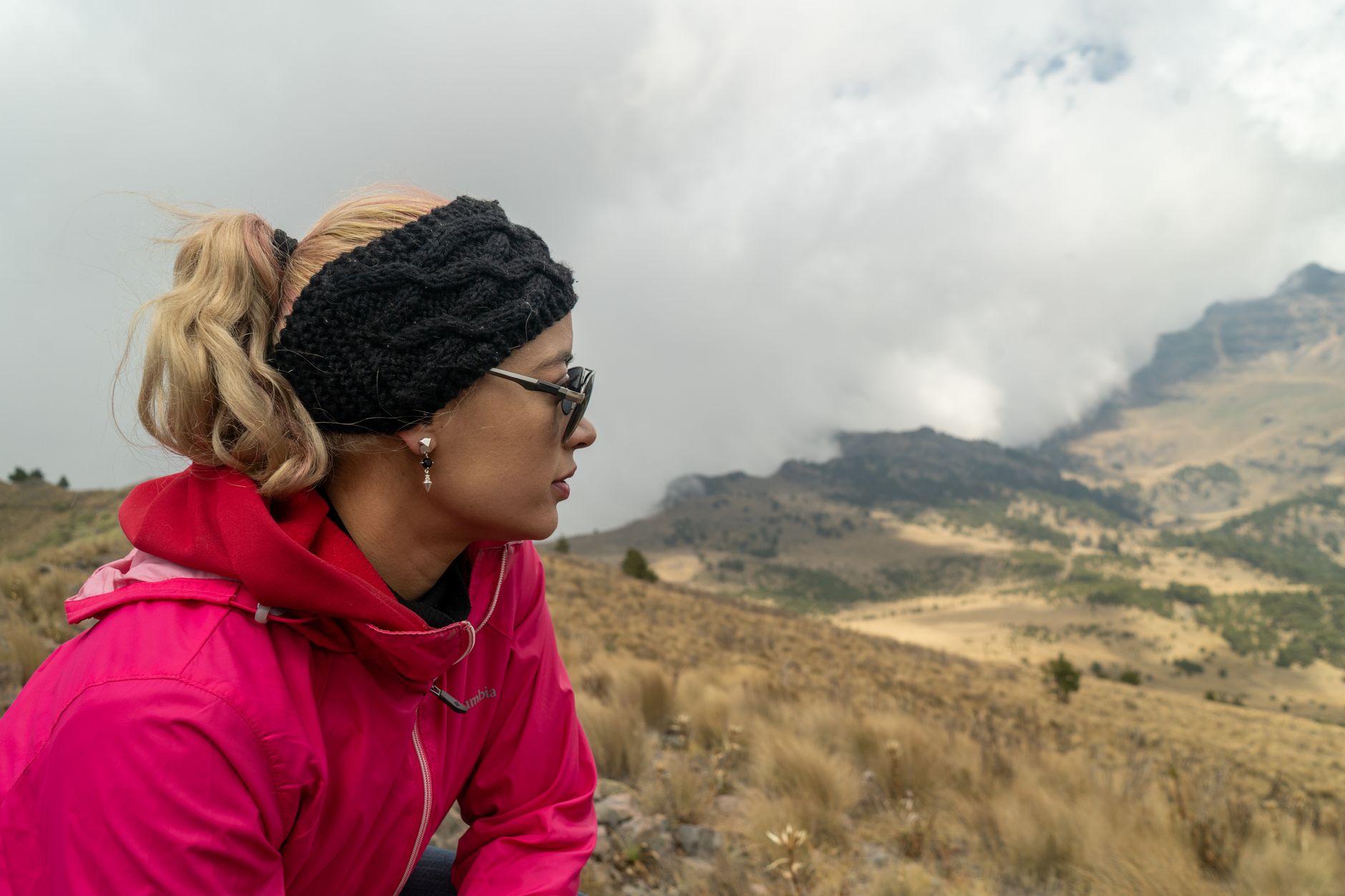
Why wild camping outfits for UK women demand different thinking
The British climate is simply not interested in your plans. You can leave Betws-y-Coed on a glorious June morning and be soaked through on the Carneddau ridge by lunchtime. The Met Office consistently records Snowdonia as one of the wettest places in the UK, with some stations clocking over 4,500mm of annual rainfall. That’s not a fashion concern, that’s a safety one.
What this means practically is that layering isn’t optional. It’s the whole system. I think about it in three parts: a moisture-wicking base, an insulating mid-layer, and a waterproof shell that you’d actually put on before it’s too late. Most of the mistakes I see women making come down to treating one of those layers as optional or, worse, replacing it with something that only works in dry conditions.
The base layer is where fabric choice matters most. Merino wool is expensive but it earns every penny outdoors. It regulates temperature better than synthetics, doesn’t hold onto odour after a sweaty climb, and feels genuinely comfortable against skin for hours. Brands like Icebreaker stock women’s merino base layers in cuts that are actually flattering, not just functional rectangles. Smartwool is another reliable name. For anything less than three days out, a good synthetic base from Patagonia’s Capilene range works well and dries faster when wet.
Layering for unpredictable British weather: a practical guide
Your mid-layer is where you get to have a little more fun. A fleece is the classic choice, and rightly so. But there’s a range of fleece weights and I’d push for a grid fleece or Polartec option over a bog-standard budget fleece. They compress better in a rucksack and they dry faster. Patagonia’s R1 fleece has been a favourite in the hiking community for years, and for good reason. If you want something that works as a standalone layer when you’re walking into camp in the evening, look for a fleece with a decent collar and a cut that doesn’t swamp you.
Insulated jackets, usually down or synthetic-down, slot between fleece and shell on really cold nights. Down is warmer for its weight but becomes useless when wet. If you’re heading anywhere in Wales, the Lake District, or the Scottish Highlands, a synthetic-insulated jacket is the safer call. It retains warmth even when damp, which is frankly a non-negotiable up on the Cairngorm plateau in October.
The waterproof shell is where I’d spend the most money if I had to choose one item to invest in. Gore-Tex Pro or similar membranes are significantly better than cheaper alternatives when you’re out for more than a day. The difference between a £90 waterproof and a £250 one becomes very real when you’re on hour three of horizontal rain in Ennerdale. Look for taped seams, a helmet-compatible hood, and pit zips if you run warm. Colour-wise, a classic navy or forest green reads as genuinely stylish without screaming “I bought this for a stag do in Dublin”.
Trousers, footwear, and the bits people always get wrong
Denim is banned. I’m sorry, I don’t make the rules of thermodynamics. When denim gets wet it stays wet, chafes, and can contribute to hypothermia in genuinely bad conditions. Soft-shell trousers are the sweet spot between technical hiking trousers and something you’d wear out for a coffee. Fjällräven’s Keb Trousers are expensive but have a devoted following for good reason; they’re flattering, articulated at the knee, and water-resistant enough for most British conditions. If budget is tight, Decathlon’s Forclaz range is remarkably decent for the price.
Footwear is personal, but I’d strongly suggest waterproof trail runners over traditional heavy boots for most UK wild camping trips under three days. They dry faster, are easier on your feet during long approaches, and have improved dramatically in ankle support. Salomon’s Speedcross and Hoka’s Speedgoat are both popular with women who hike regularly in the UK. If you’re heading somewhere genuinely boggy, parts of Dartmoor, say, or the Flow Country in Scotland, a mid-cut waterproof boot makes more sense.
Socks deserve more attention than they get. Merino wool, again. Take two pairs minimum. Wet feet ruin trips; good socks prevent blisters and keep things bearable when everything else goes sideways.
The gear you pack matters as much as what you wear
Even the most thoughtfully assembled wild camping outfit for UK women is only part of the story. What you pack in your rucksack, and how well you’ve checked everything before you leave, can make or break a trip just as effectively as being underdressed at altitude. Before any significant outing into a UK national park, I always do a proper kit check the evening before. If you’ve never worked through a structured pre-trip checklist, a longer read on 7 things to check before you sleep under canvas in a uk national park is a genuinely useful place to start. Knowing your shelter, sleeping system, and navigation tools are all sorted lets you focus on the actual experience rather than anxiously unrolling a potentially faulty tent in the dark at 900 metres.
The practical and the aesthetic really do overlap here. Packing well means your clothes stay dry in a decent dry bag or waterproof rucksack liner. It means your base layers aren’t sharing space with wet tent pegs. The whole system works together.
Pulling together a look that’s actually yours
There’s a reason Britain’s obsession with outdoor living is reshaping fashion at every level right now. The gorpcore trend has filtered well and truly down to the high street, and it’s genuinely changed what’s available. This is good news for anyone who wants to look like themselves in the hills, not like they borrowed kit from a stranger. Earth tones, soft terracotta, navy, and forest green all work beautifully in British landscapes and don’t feel like you’ve surrendered your personal style at the trailhead.
The key is buying pieces that do two jobs. A merino crew neck in a rust tone works under a shell on a ridge and around a campfire in the evening. A grid fleece in sage green looks good both in the hills and in the pub at the end. Accessories make a bigger difference than people realise: a decent wool beanie, a neck gaiter in a colour you love, good gloves in a size that actually fits a woman’s hand. These are the choices that make the difference between feeling like yourself and feeling like you borrowed someone else’s kit.
I’d also gently push back on the idea that caring about how you look outdoors is somehow less serious than being purely functional. Feeling good in what you’re wearing affects your confidence and your mood, especially when conditions get hard. And given how inconsistent UK clothing sizing is across retailers, always try outdoor kit on before committing, or order from somewhere with a decent returns policy. A base layer that fits badly is useless no matter how good the fabric is.
Wild camping in the UK is one of the most genuinely joyful things you can do. You don’t need to look boring to do it safely, and you don’t need to sacrifice function to look like yourself. You just need to think a bit harder than I did about that linen shirt. According to BBC News coverage of UK outdoor recreation, the number of people spending nights outdoors in British national parks has risen sharply since 2020, and that’s brought a whole wave of people thinking through exactly these questions for the first time. You’re in excellent company.
Frequently Asked Questions
What should women wear for wild camping in the UK?
A moisture-wicking merino wool base layer, an insulating fleece or synthetic mid-layer, and a waterproof shell with taped seams are the essentials. Add soft-shell trousers and waterproof trail runners or boots depending on terrain. Avoid cotton or denim, which stay wet and lose all insulating properties.
Is merino wool worth it for UK hiking and camping?
Yes, genuinely. Merino regulates temperature across a wide range, resists odour during multi-day trips, and feels comfortable directly against the skin in a way most synthetics don’t. It’s a significant upfront cost but lasts years with proper care and outperforms cheaper options in the variable conditions typical of British weather.
What's the best waterproof jacket for wild camping in Wales or Scotland?
Look for a Gore-Tex Pro or eVent-membrane jacket with fully taped seams, a helmet-compatible hood, and pit zips for ventilation. Brands like Arc’teryx, Montane, and Rab are well-regarded for UK conditions. Budget for at least £200 if you’re spending multiple nights out in areas like Snowdonia or the Cairngorms.
Can I look stylish while wild camping in the UK?
Absolutely. Earth tones like rust, sage green, navy, and terracotta all read well in British landscapes and pair naturally with technical gear. The key is choosing pieces that work aesthetically and functionally, a merino crew neck in a colour you love or a well-cut fleece in a flattering shade means you don’t have to choose between style and performance.
What footwear is best for women wild camping in the UK?
For most trips under three days on mixed terrain, waterproof trail runners like the Salomon Speedcross or Hoka Speedgoat offer excellent grip and dry faster than traditional boots. For genuinely boggy ground, such as parts of Dartmoor or the Scottish Flow Country, a mid-cut waterproof boot provides better ankle support and protection from deep mud.




Leave a Reply